
Your subscription content is your income. When it gets leaked, you lose subscribers and control. The good news is copyright law is on your side, and there are concrete steps you can take right now to stop theft before it spreads. Follow this guide to lock down your content and keep your earnings safe.
Step 1: Know Your Copyright Basics
Under U.S. law, the moment you create a photo or video, you own the copyright. That means you have the exclusive right to reproduce, distribute, and display your work. When someone downloads your platform content and uploads it to a free site, they are violating that right. Knowing this is the foundation of content protection.
To prove you own the content, save your original files with timestamps. Your phone or camera already embeds metadata showing when the file was created. Keep those files separate from your uploads. Also save upload receipts from your subscription site as proof you published first. For extra legal strength, consider registering your work with the U.S. Copyright Office. Registration costs around $65 for a batch and gives you the ability to sue for statutory damages.
Add a copyright notice to your bio: “All content © [Your Name]. Redistribution is strictly prohibited.” This puts visitors on notice and makes takedowns easier. As a guide to platform copyright explains, documentation is your best friend when filing DMCA notices.
Step 2: Secure Your Content with Watermarks and Metadata
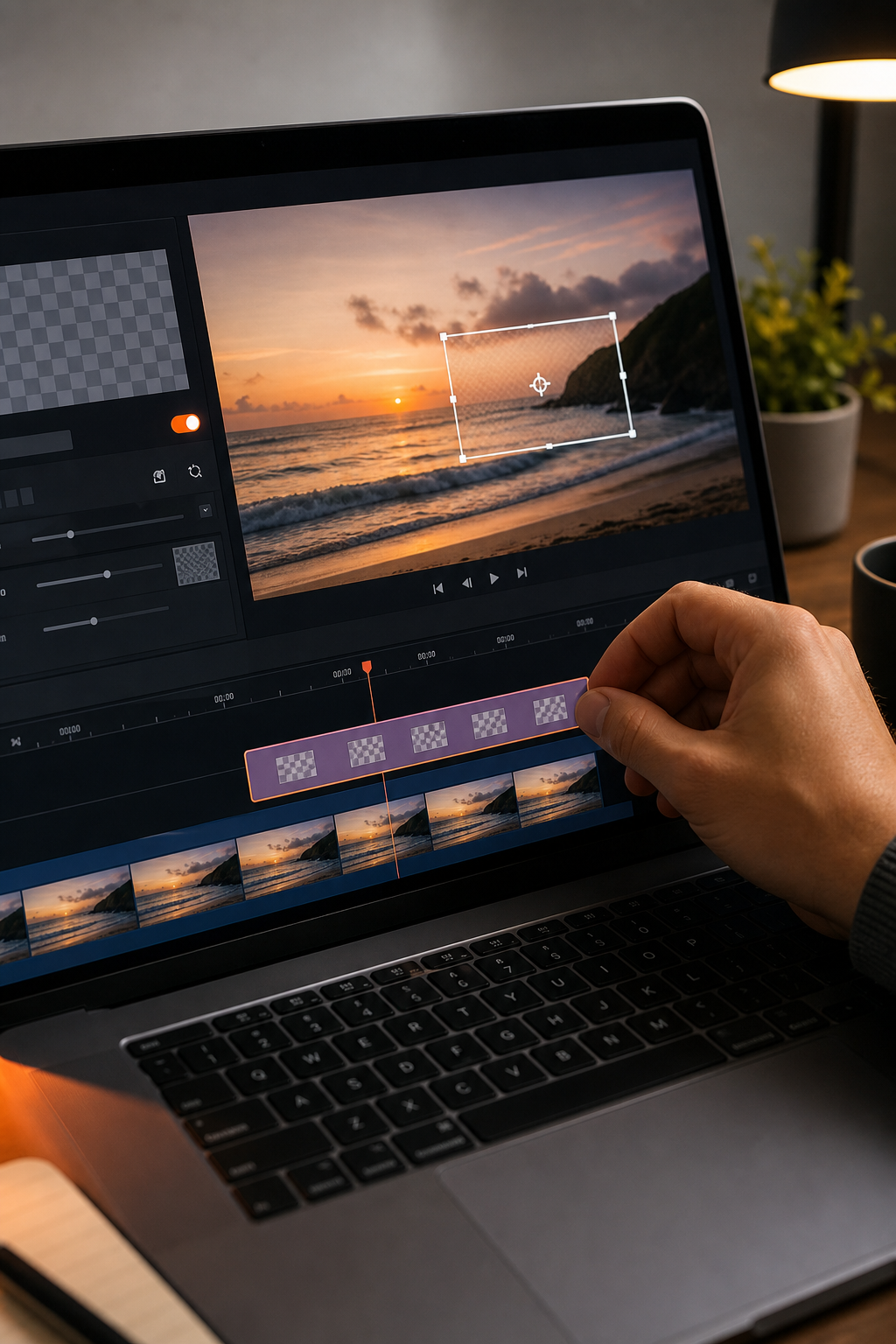
Watermarks make it obvious who created the content and discourage thieves. The platform automatically adds a watermark, but determined users can crop it out. Add your own watermark in a spot where cropping would ruin the image. Use your username or logo, and place it over a busy part of the photo or video so it’s hard to remove.
Also embed metadata into your files before uploading. Metadata includes your name, copyright info, and contact details. Professional editing software or even free tools can add this. If your content gets stolen, this metadata helps prove ownership.
For videos, consider burning the watermark directly into the frame. This makes it nearly impossible to remove without damaging the video. A guide recommends using visible watermarks on everything before posting. It’s a simple step that saves hours of headache later.
Step 3: Enlist a DMCA Takedown Service
Filing DMCA notices yourself is time-consuming and slow. Professional services automate detection and removal, getting your content offline within 24-48 hours. Services like certain automated detection tools scan hundreds of platforms daily and submit legal takedown requests automatically. They cover tube sites, social media, messaging apps, and search engines.
When choosing a service, look for one that offers unlimited takedowns, real-time monitoring, and a dashboard to track progress. Some services also handle legal escalation if sites refuse to remove content. Sidenty’s creator copyright protection provides this level of service with a dedicated team that manually verifies each takedown. They even take legal action against repeat offenders, which automated bots can’t do.
“Services that detect infringements within hours and file takedowns immediately are essential for effective content protection.”
Step 4: Monitor for Leaks Regularly
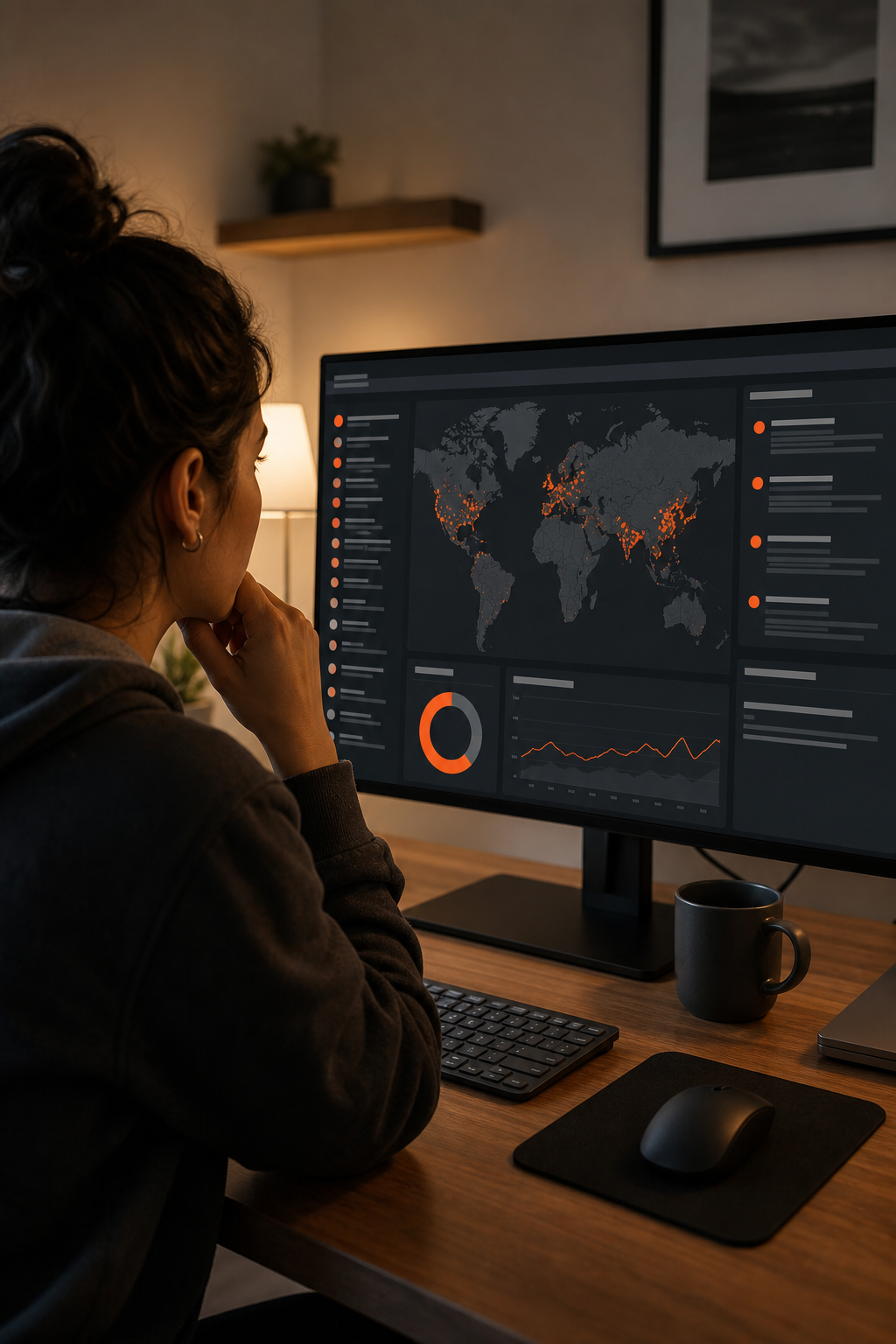
Even with watermarks and DMCA services, staying ahead of leaks requires ongoing monitoring. Set up search engine alerts for your username, stage name, and content keywords. Run a reverse image search on image search every few weeks to see where your photos show up.
But manual monitoring won’t catch everything. Professional monitoring tools scan the web continuously. Some guides mention that some services monitor 75 million websites daily. If you spot a leak yourself, report it immediately using the platform’s copyright form. Social media platforms typically remove infringing content within 24-72 hours after a proper DMCA notice.
Create a leak response checklist: screenshot the violation, note the exact URL, and submit a takedown using the platform’s online form. Keep a copy of all submissions for your records.
Step 5: Take Additional Precautions
Prevention is better than cure. Enable two-factor authentication on your subscription account and use strong, unique passwords. Be careful about sharing behind-the-scenes content that could give away your location or personal info. Consider disabling the feature that allows subscribers to save images from your posts.
Also watch out for screen recording. While the platform uses DRM, some recording tools can bypass it if hardware acceleration is turned on. As a guide to screen recording points out, users can record your content even without detection. To make this harder, avoid uploading high-resolution originals; compress your content just enough to be watchable but less attractive for reupload.
Finally, consider collaborating with a professional protection service like Sidenty Creators, which offers continuous monitoring and removal for a flat monthly fee. They cover subscription platforms and others, and their legal team handles the hard cases.
FAQ
How do I prove I own my content?
Save the original files with timestamps from your camera, and keep upload receipts from your subscription site. Watermarks and metadata also help. For strong legal proof, register your work with the U.S. Copyright Office. These documents make DMCA takedowns much faster.
Does the platform protect my content from screen recording?
The platform uses DRM and automatic watermarks, but it doesn’t actively detect screen recording. Creators need to add their own watermarks and use monitoring services to catch unauthorized distribution.
How fast can a DMCA takedown service remove leaked content?
Most professional services remove content within 24-48 hours. Search engines process takedowns in 24-48 hours, social media platforms take 24-72 hours, and tube sites can take 3-14 days. Premium services like Sidenty often handle the hardest cases faster by escalating legally.
What should I do if I find my content on a free site?
Don’t panic. Screenshot the violation, copy the exact URL, and submit a DMCA takedown notice to the site. If the site doesn’t respond, report it to a search engine via the DMCA dashboard to get it removed from search results. For ongoing issues, use a monitoring service to catch reuploads.
Is it worth paying for a content protection service?
Yes, if you depend on your content for income. Manual monitoring is time-consuming and often misses leaks. Professional services scan thousands of platforms automatically, file takedowns, and handle legal follow-ups. The cost is far less than the revenue lost from a viral leak.
Conclusion
Protecting your subscription content isn’t optional if you want to keep earning. Start with the basics: know your copyright, watermark everything, and set up alerts. Then take the next step with a DMCA takedown service like Sidenty that handles detection and removal around the clock. The sooner you build these habits into your workflow, the safer your income will be.
Ready to put this into practice? sidenty.com was built for exactly this.