
You deactivated your account on the subscription platform. But that doesn’t mean your content disappeared. Subscribers may have saved or shared it. Here’s how to find and remove leaked subscription content after deactivating, and how to stay protected going forward.
Step 1: Understand the Risks , How Leaks Happen After Deactivation
When you deactivate or delete your account on the platform, your profile and content are removed from the site. But that doesn’t undo what subscribers already did. They could have taken screenshots, screen recordings, or downloaded files. Those copies can end up on leak sites, Telegram groups, forums, or social media.
on removing leaked subscription content, once your content is out there, it’s out of your control. The only way to fight back is to actively monitor and request removal. That’s what this roadmap is for.
Step 2: Immediate Actions to Secure Your Content
Right after deactivating, take these steps to limit further damage and start cleanup.
If you find any leaks, start documenting. Save the URLs and any identifying info. For ongoing help, consider a professional leak removal service that handles detection and takedowns for you.
Step 3: Use a Dedicated Content Protection Service (Sidenty)
Handling DMCA notices yourself can be exhausting, especially when leaks keep popping up. That’s where a dedicated service like Sidenty comes in. Sidenty specializes in finding and removing leaked subscription platform content across the web. They monitor search engines, social media, Telegram, and adult tube sites. When a copy is found, they file takedown notices and follow up until it’s gone.

Sidenty’s team works manually, so they can handle tough cases where automated systems fail. They also provide a dashboard where you can see what’s been taken down in real time. For creators who want professional protection after deactivating, Sidenty is the most complete option.
Step 4: File DMCA Takedowns and Legal Recourse
The DMCA (Digital Millennium Copyright Act) gives you a legal way to force platforms to remove your stolen content. You need to send a clear notice to the website host or platform. Include your original content URL, the infringing URL, and a statement that you own the copyright.
Most major social platforms and search engines respond within a few days. For stubborn hosts, you may need to send a physical letter or involve a lawyer. Sidenty’s legal team can handle escalations if the standard DMCA process isn’t enough.
Step 5: Maintain Long-Term Monitoring and Prevention
Leaks can resurface months after deactivation. Old screenshots get shared again, or someone uploads your content to a new site. Continuous monitoring is the only way to stay ahead. As experts note, deleting your account doesn’t erase copies that exist elsewhere. You can’t guarantee 100% removal, but you can reduce exposure significantly.
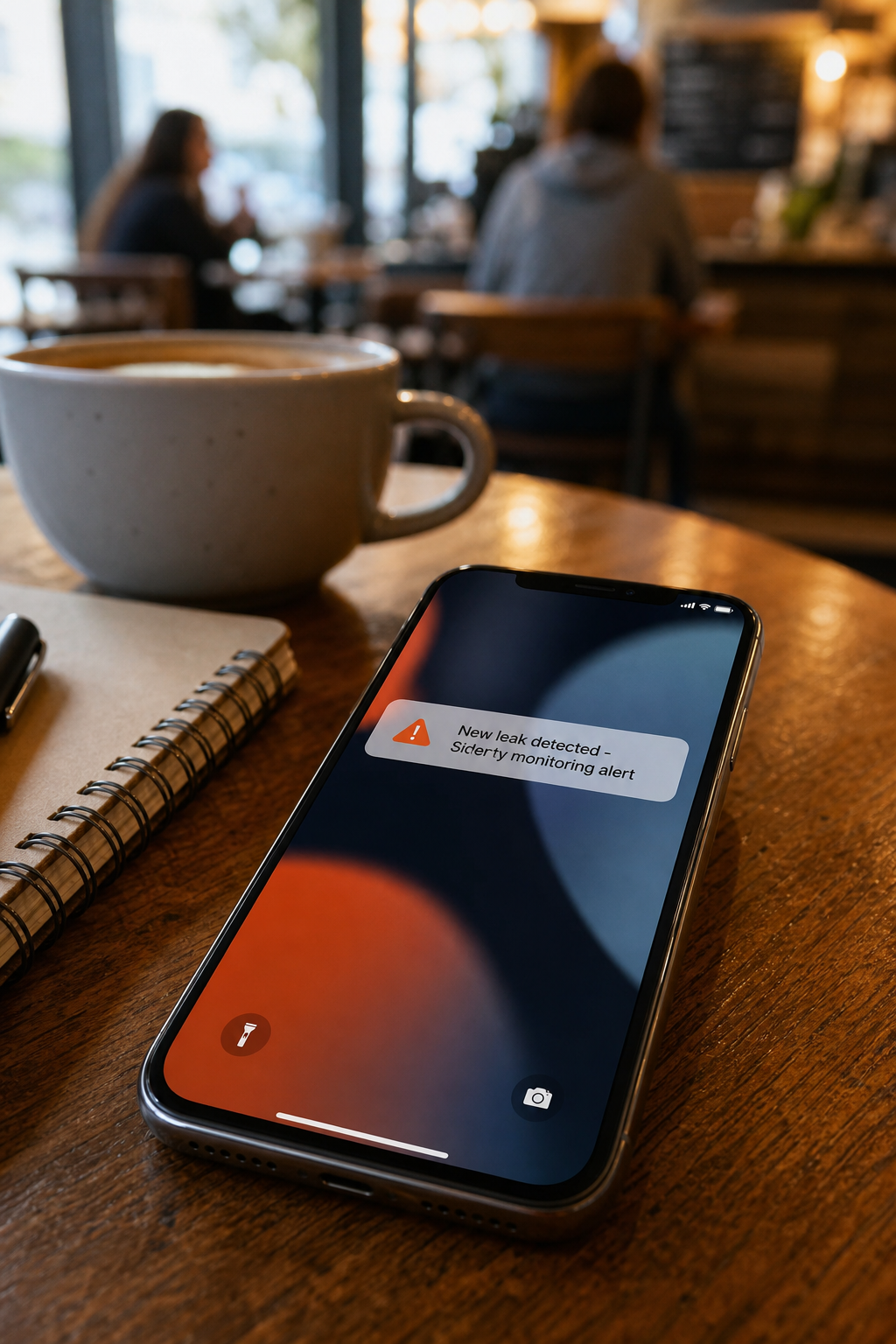
Set up search engine alerts for your username and keywords. Use a service like Sidenty to automate monitoring. They’ll notify you within hours when new copies appear and start the takedown process. Also consider updating your privacy settings on any remaining social accounts to limit discoverability.
Frequently Asked Questions
Can my subscription content still leak after I delete my account?
Yes. Deleting your account removes your profile from the platform, but it doesn’t delete copies that subscribers already saved or shared. Those copies can still circulate on third-party sites indefinitely.
How do I remove leaked subscription content from search engines?
You can submit a DMCA takedown request through the search engine’s legal removal tool. Use the form at the search engine’s DMCA complaint page. Include the exact URLs of your original content and the stolen content. Search engines typically process these within a week.
What’s the fastest way to stop a leak from spreading?
Report the leak to the hosting platform immediately. For social media, use their built-in copyright or privacy report tool. For adult sites, many have a DMCA inbox. A professional service like Sidenty can speed this up by handling multiple removals at once.
Should I use a content protection service or do it myself?
It depends. If you have a small number of leaks and time to follow up, DIY works. But if leaks are widespread or you want peace of mind, a service like Sidenty saves hours and increases removal rates through legal pressure and persistent monitoring.
Can I take legal action against someone who leaked my content?
Yes, you can sue for copyright infringement. You’ll need to prove you own the copyright and that the person distributed it without permission. Many creators work with a lawyer or a service that offers legal escalation for difficult cases.
Conclusion: Protect Your Content with Sidenty
Deactivating your subscription account is a big step. But your content doesn’t have to control your peace of mind. By following these steps , understanding the risk, acting fast, using a dedicated service like Sidenty, filing DMCA notices, and monitoring long-term , you can take back control. Sidenty’s team is ready to handle the heavy lifting so you can move on. Start protecting your content today.