
Monitoring content theft online is the process of actively detecting unauthorized use of your digital content through AI-powered tools, strategic alerts, and structured enforcement workflows. For creators on platforms like OnlyFans, Twitch, and YouTube, unauthorized content use is not a rare edge case. It is a direct threat to your income, your brand, and your identity. The good news is that content protection technology has advanced significantly, and you have more tools available now than ever before to catch theft early and act fast.
How to monitor content theft online with the right tools
The foundation of any effective monitoring setup is choosing tools that match the type of content you create. AI-powered platforms now lead the field, and the results are measurable. Leading AI-driven services can detect and remove 99% of unauthorized live and VOD content within minutes. That speed matters because stolen content that gets indexed and monetized before you act becomes much harder to remove.
Your monitoring toolkit should cover several distinct detection methods:
- Google Alerts: Set up keyword alerts using your name, brand name, unique titles, and signature phrases. Google Alerts catches text-based theft on indexed web pages.
- Reverse image search: Use Google Images or TinEye to find unauthorized copies of your photos, thumbnails, and visual assets.
- Transcript and title monitoring: Search for unique phrases from your video scripts or article titles across platforms and forums.
- YouTube Content ID: If you publish video content, Content ID is the most direct enforcement tool available. Certified MCN partners operate within YouTube’s CMS to block or monetize infringing uploads the moment they appear.
- AI detection platforms: Tools that identify plagiarized or AI-manipulated text now achieve over 99% accuracy across 30 or more languages. This is critical for written creators with global audiences.
The table below compares the main categories of content theft detection tools by capability:
| Tool category | Best for | Detection method | Response speed |
|---|---|---|---|
| Platform-native (e.g., Content ID) | Video creators | Fingerprint matching | Instant |
| AI text detection platforms | Writers, bloggers | Semantic and linguistic analysis | Minutes |
| Reverse image search | Photographers, visual creators | Visual hash matching | On demand |
| Alert-based monitoring | All creator types | Keyword and phrase indexing | Hours to days |
| Dedicated anti-piracy services | High-volume creators | Multi-platform crawling | Real time |
Pro Tip: Set up Google Alerts for at least five unique phrases from your most popular content pieces. Use quotes around the phrase so the alert only fires on exact matches, not loose keyword matches.

Setting up a content theft monitoring workflow
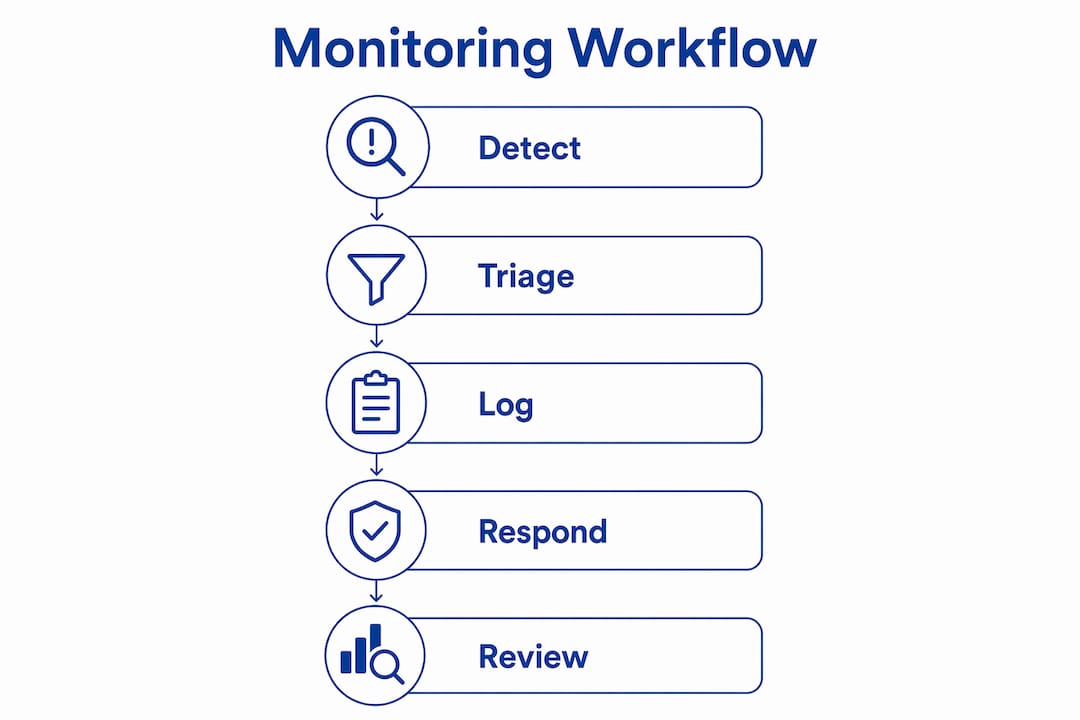
A monitoring setup only works if you run it consistently. The goal is to build a workflow that catches theft early, before stolen content gets indexed, shared, and monetized across multiple platforms.
Follow these steps to build your system:
- Select your priority assets. List your top 20 pieces of content by traffic, revenue, or audience value. These are your highest-risk assets and your first monitoring targets.
- Create unique keyword alerts. For each asset, identify two or three phrases that appear only in your content. Set alerts for these phrases on Google Alerts and any platform-specific search tools.
- Expand to multi-platform monitoring. Set platform-specific alerts to catch reposts on YouTube, TikTok, Reddit, Discord, and Telegram. Theft spreads fast across these channels, and indexing often lags behind the actual post.
- Build a three-tier alert triage system. Classify every alert as one of three levels: informational (no action needed), review (needs manual check), or urgent (confirmed theft requiring immediate response). This structure prevents alert fatigue and keeps your enforcement focused.
- Create a dedicated case-management document. Track every finding with dates, URLs, screenshots, and actions taken. Keep this document separate from your regular inbox. It becomes your evidence file if you need to escalate legally.
- Schedule weekly reviews. Set a fixed time each week to process your alert queue. Consistency beats sporadic checks every time.
The three-tier triage system is the step most creators skip. Without it, you end up treating every alert as equally urgent, which leads to burnout and missed real threats.
Pro Tip: Use a spreadsheet or a dedicated project management tool to log each case. Include columns for the infringing URL, the date discovered, the platform, the action taken, and the outcome. This record is invaluable if you ever need to file a formal complaint or pursue legal action.
How to respond when you detect content theft
Finding stolen content is a gut punch. The key is to respond methodically, not reactively. A structured response protects your rights and keeps your credibility intact with platforms and audiences.
Here is the standard response sequence:
- Document everything first. Take screenshots with timestamps before you contact anyone. Platforms sometimes remove content before you can capture evidence, which weakens your case.
- Send a DMCA takedown notice. DMCA notices and cease-and-desist letters are the most common and effective first steps. Most platforms are legally required to respond within a defined window once a valid notice is submitted.
- Use platform-native enforcement where available. For YouTube, Content ID enforcement through a certified MCN partner is faster and more reliable than filing an external DMCA request. Native tools block or monetize infringing content instantly, while external requests can take days.
- File a hosting provider complaint. If the infringing content lives on a website rather than a platform, contact the hosting provider directly. Many hosts will act on a valid DMCA notice even without a court order.
- Request Google delisting. Submit a copyright removal request to Google to remove infringing URLs from search results. This limits the reach of stolen content even if the host is slow to act.
The most common mistake creators make is filing takedown notices without verifying the infringement first. Invalid takedown requests damage your reputation with platforms and can expose you to counter-claims. Always confirm the content is genuinely infringing before you act.
Pro Tip: Keep a template DMCA notice ready with your standard creator information pre-filled. When you find theft, you only need to add the infringing URL and the original content URL. Speed matters, but accuracy matters more.
Common challenges in tracking content piracy
Even with a solid monitoring setup, you will hit obstacles. Knowing them in advance lets you work around them rather than getting stuck.
- Fair use confusion. Not every copy of your content is theft. Commentary, criticism, and parody can qualify as fair use under copyright law. Manual or expert verification is critical before issuing any takedown notice. Filing against legitimate fair use harms your standing.
- Alert fatigue. High-volume creators can receive dozens of alerts daily. Without a triage system, important alerts get buried. The three-tier classification system described earlier solves this directly.
- Indexing delays. Stolen content often appears on platforms before search engines index it. Real-time alert systems shrink this enforcement window, but you still need to monitor platform-native feeds, not just search results.
- Cross-platform piracy. A single stolen video can appear on five platforms within hours. Telegram channels and Discord servers are especially difficult to monitor because they are not fully indexed by search engines. Manual spot-checks of known piracy hubs are necessary alongside automated tools.
- Automated tool limitations. No automated system catches everything. AI detection tools are highly accurate, but they miss content that has been significantly edited, re-narrated, or reformatted. Human review of flagged content remains a necessary step.
“Overuse of automated takedowns without verification can lead to reputation damage and loss of credibility with platforms and audiences.” — Trestle Law
The creators who protect their work most effectively combine automated detection with regular manual reviews. Automation handles volume. Human judgment handles nuance.
Key takeaways
Monitoring content theft online requires a layered approach: AI detection tools catch volume, platform-native systems like Content ID handle speed, and structured triage workflows prevent enforcement errors.
| Point | Details |
|---|---|
| Start with AI detection tools | AI platforms achieve over 99% accuracy and cover 30+ languages for text-based theft. |
| Use platform-native enforcement | YouTube Content ID blocks infringing uploads instantly, faster than external DMCA requests. |
| Build a triage system | Classify alerts as informational, review, or urgent to avoid fatigue and missed threats. |
| Document every case | Keep a dedicated case-management file with URLs, dates, and actions for legal escalation. |
| Verify before filing | Always confirm infringement before sending a DMCA notice to protect your platform credibility. |
What working with creators has taught us about content protection
The creators who come to us most frustrated are not the ones who found their content stolen. They are the ones who found it stolen six months ago and did nothing because they did not know where to start. Early detection is not just about speed. It is about keeping the problem manageable.
We have seen creators with excellent content and zero monitoring lose significant revenue to piracy on platforms they did not even know existed. We have also seen creators with modest followings protect their work effectively because they set up a simple alert system and checked it weekly. The difference is not budget. It is consistency.
One thing we tell every creator: your case-management document is your most underrated asset. Platforms respond faster and more favorably when you submit a well-documented complaint with clear evidence. Vague reports get deprioritized. Detailed ones get acted on.
The other lesson is about balance. Automated tools are powerful, but they need human oversight. We have seen creators damage their relationships with platforms by filing mass takedowns that included fair-use content. That kind of overreach costs you credibility you cannot easily rebuild. The goal is not to file as many notices as possible. The goal is to file accurate ones, fast.
Stay current with platform policy changes. YouTube, TikTok, and Meta update their copyright enforcement rules regularly. What worked last year may not work today. Treat your content protection legal process as a living system, not a one-time setup.
— Sidenty
How Sidenty protects creators from content theft
Sidenty specializes in digital identity protection and copyright enforcement for creators on platforms like OnlyFans, Twitch, and YouTube.
Sidenty’s team combines AI-powered detection with legal expertise to identify unauthorized content and remove it fast. With a 99.8% success rate in content removal, Sidenty handles the full enforcement process, from detection to takedown to Google delisting. Creators get compliance-ready reports and dedicated support at every step. If your content is being stolen and you want it handled by professionals who do this every day, explore Sidenty’s creator protection services to see how tailored enforcement works in practice.
FAQ
What does it mean to monitor content theft online?
Monitoring content theft online means actively tracking unauthorized use of your digital content across platforms, websites, and social media using alert systems, AI detection tools, and reverse image search.
How does YouTube Content ID help detect content theft?
YouTube Content ID uses audio and video fingerprinting to automatically identify infringing uploads. Certified MCN partners can block or monetize matching content the moment it appears on the platform.
What is a DMCA takedown notice?
A DMCA takedown notice is a formal legal request asking a platform or hosting provider to remove content that infringes your copyright. Most platforms are legally required to act on valid notices promptly.
How do I avoid filing invalid takedown notices?
Always verify that the content is genuinely infringing before filing. Fair use content, including commentary and parody, is not a valid target for a DMCA notice, and filing incorrectly can damage your credibility with platforms.
Can automated tools catch all content theft?
Automated tools catch the majority of theft but miss content that has been significantly edited or reformatted. Combining AI detection with regular manual reviews gives you the most complete coverage.