
The content protection legal process is the structured legal pathway through which creators establish and enforce their ownership rights over digital works to prevent unauthorized distribution or manipulation. For content creators, influencers, and anyone building a digital presence, understanding this process is not optional. Online leaks, identity theft, and deepfake misuse are real and growing threats. The good news is that the law gives you real tools to fight back, and knowing how to use them puts the power back in your hands.
What does the content protection legal process involve?
The content protection legal process begins the moment you create something original and fix it in a tangible form. Copyright protection attaches automatically under U.S. law. That automatic protection sounds reassuring, but it has a serious limitation: you cannot sue for infringement in federal court without first registering your work with the U.S. Copyright Office.
Registration is prima facie evidence of ownership. That means a court presumes you own the work unless someone proves otherwise. It shifts the burden of proof away from you and onto the infringer.
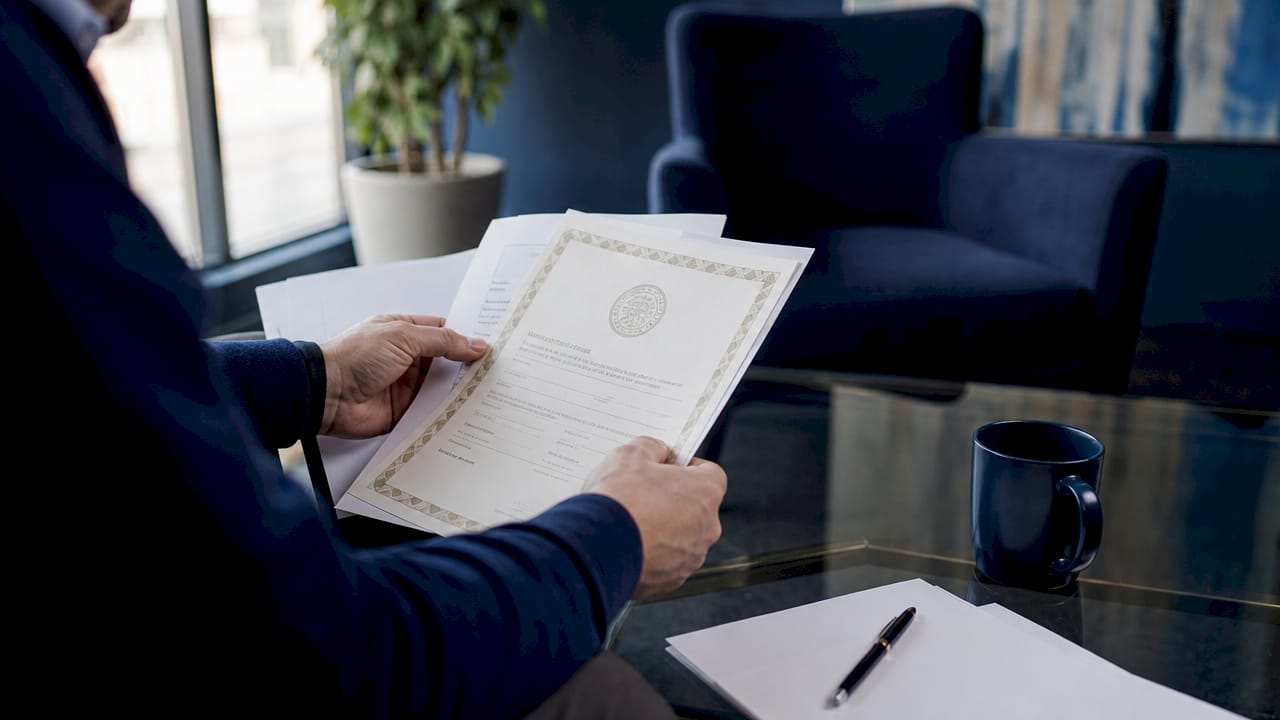
The process covers more than just copyright. Intellectual property rights also include trademarks, which protect your brand name or logo, and in some cases trade secrets. For most digital creators, copyright is the primary shield. The full legal content safeguarding process runs from creation and documentation through registration, monitoring, enforcement, and if necessary, litigation.
How do you legally register and document your digital content?
Formal registration is the single most important step in the copyright enforcement process. Without it, your legal remedies are limited to actual damages, which are often difficult to prove and rarely worth the cost of a lawsuit.
Registration unlocks statutory damages of up to $150,000 per willful infringement. That number changes the math entirely. It means an infringer faces real financial risk, which deters theft and strengthens your negotiating position.
What registration actually costs
Registration fees vary by country and content type. In the U.S., the Copyright Office charges a basic online registration fee that is accessible for individual creators. In the UK, intellectual property registration costs range from £60 for a single design to £205 for a trademark and £405 or more for a patent. These costs are modest compared to the legal leverage they provide.
| Registration type | U.S. option | UK cost |
|---|---|---|
| Copyright (single work) | U.S. Copyright Office online filing | Not a formal registry; relies on evidence |
| Trademark | USPTO application | From £205 |
| Design | USPTO design patent | From £60 per design |
| Patent | USPTO utility patent | From £405 |
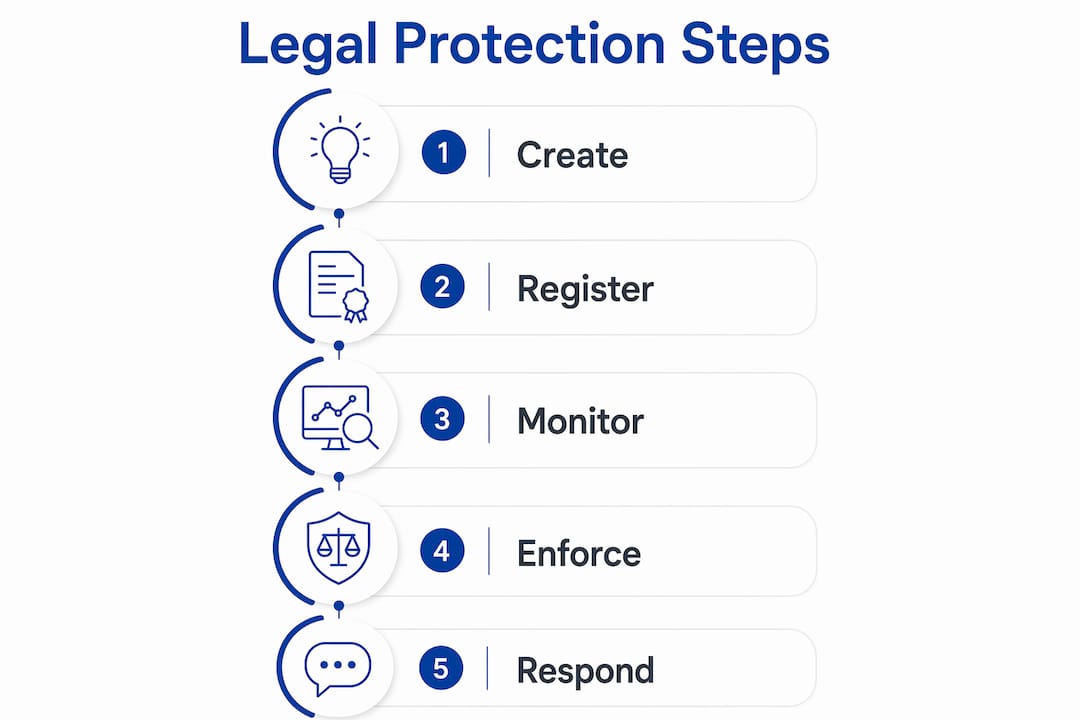
How to document your work before and after registration
Creators should document the creative process carefully, focusing on the tangible expression of their work, not just the idea behind it. Save drafts, screenshots, file metadata, and timestamped backups. Use cloud storage with automatic versioning so you have a clear creation timeline.
- Save raw files with original metadata intact
- Use version control or dated cloud backups
- Keep contracts, briefs, or communications that show you originated the work
- Screenshot your published content with visible timestamps
Pro Tip: Register your most valuable content within three months of publication. U.S. law requires registration before infringement occurs, or within three months of publication, to qualify for statutory damages and attorney’s fees.
How do DMCA takedowns and DRM protect your content online?
Two tools form the backbone of digital content protection enforcement: Digital Rights Management and DMCA takedown notices. They work at different layers, one technical and one legal, and they are most effective when used together.
DRM enforces licensing and controls who can view your content, where, and on which devices. It transforms your content into a revenue-generating asset by restricting unauthorized access at the technical level. Streaming platforms, course creators, and subscription-based creators use DRM to prevent screen recording, downloading, and redistribution.
DMCA takedown notices are the legal mechanism that removes unauthorized content from platforms after it has been posted. The Digital Millennium Copyright Act requires platforms like YouTube, Google, Reddit, and Telegram to respond to properly filed notices by removing infringing content. DMCA notices are a common legal mechanism with high success rates when filed correctly.
How to file a DMCA takedown notice
- Identify the infringing content. Record the exact URL where your content appears without authorization.
- Confirm your ownership. Gather your registration certificate, original file, or other proof of ownership.
- Locate the platform’s DMCA agent. Every major platform lists a designated DMCA agent in its terms of service or on the U.S. Copyright Office’s agent directory.
- Draft your notice. Include your contact information, a description of the original work, the infringing URL, a good-faith statement, and your signature.
- Submit and document. Send the notice and save a copy with the submission timestamp.
- Follow up. If the platform does not respond within the statutory timeframe, escalate to the hosting provider or pursue legal action.
Combining DRM with DMCA enforcement links technical barriers with legal recourse. DRM slows unauthorized distribution. DMCA notices clean up what gets through.
Pro Tip: File DMCA notices against Google Search as well as the hosting platform. Google delisting removes the infringing content from search results even when the host is slow to act.
What are the legal challenges with leaks, identity theft, and deepfakes?
Content leaks, identity theft, and deepfake content represent the sharpest edge of modern digital threats for creators. Each requires a slightly different legal response, but all three demand speed.
Content leaks, where your private or subscription-only material is shared without consent, fall squarely under copyright law. You own the content. Unauthorized redistribution is infringement. File DMCA notices immediately and target both the hosting platform and any aggregator sites republishing the material.
Identity theft in the creator context often involves someone impersonating you to sell fake merchandise, solicit payments, or damage your reputation. This is where trademark protection for content matters. A registered trademark on your name or brand gives you grounds to demand removal of fake accounts and pursue legal action against impersonators.
Deepfakes are the most legally complex threat. Deepfake removal requires combining legal and technological countermeasures for successful enforcement. Existing copyright law covers deepfakes only partially. Several states have passed specific deepfake laws, and federal legislation is advancing, but gaps remain.
“The most effective deepfake removal actions combine a DMCA notice targeting the platform, a direct complaint to the hosting provider, and where possible, a court injunction to prevent reposting.”
California regulations since 2026 mandate cybersecurity audits and risk assessments under the CCPA framework. Creators who collect subscriber data or personal information must comply with these rules or face additional legal exposure.
- File DMCA notices within 24 hours of discovering leaked content
- Report impersonation accounts directly to the platform and to law enforcement
- Consult a digital rights attorney before pursuing deepfake-related injunctions
- Monitor your name and likeness regularly using reverse image search and alert tools
Pro Tip: Build a rapid response plan before you need it. Know your DMCA agent contacts, have your registration certificates accessible, and have a legal contact on speed dial.
What mistakes do creators make in the content protection legal process?
The most common mistake is relying on automatic copyright without registering. Automatic protection exists, but registration is the critical step that enables access to statutory damages and makes enforcement practical. Without it, suing an infringer often costs more than you can recover.
Other frequent errors include:
- Insufficient documentation. Creators cannot prove authorship without dated files, drafts, or metadata. Courts need evidence of when and how you created the work.
- Ignoring state privacy laws. California’s CCPA and similar state laws affect how you handle subscriber data. Non-compliance creates legal vulnerability beyond copyright.
- Misunderstanding HDCP. HDCP is a hardware handshake protocol that prevents unauthorized copying at the device level. Errors signal hardware incompatibility, not piracy. Creators sometimes mistake HDCP errors for a sign their DRM is working, when the issue is actually a device conflict requiring a technical fix.
- Passive monitoring. Rights do not enforce themselves. Platforms will not search for your stolen content. You must monitor and file notices proactively.
Pro Tip: Set up Google Alerts for your name, brand, and content titles. Pair that with a reverse image search tool to catch unauthorized use before it spreads.
Key takeaways
The content protection legal process works best when creators combine formal registration, active monitoring, and fast enforcement through tools like DMCA notices and DRM.
| Point | Details |
|---|---|
| Register your copyright early | Registration unlocks statutory damages up to $150,000 per willful infringement and enables federal lawsuits. |
| Document everything | Save dated drafts, metadata, and file versions to prove authorship in any dispute. |
| Use DMCA notices fast | File within 24 hours of discovering unauthorized content and target both the platform and Google Search. |
| Combine DRM with legal tools | DRM restricts access technically; DMCA notices remove what gets through legally. |
| Address deepfakes specifically | Deepfake removal requires legal notices, platform complaints, and sometimes court injunctions. |
Why I think most creators wait too long to protect their work
Most creators I talk to treat legal protection as something to deal with after a problem happens. That instinct is understandable. Registration feels bureaucratic. Filing notices feels reactive. But the legal system rewards preparation, not reaction.
Early registration is the clearest example. If you register your content before infringement occurs, or within three months of publication, you qualify for statutory damages and attorney’s fees. If you wait until after someone steals your work, you are limited to actual damages, which are nearly impossible to prove and rarely worth pursuing. The window closes fast.
The other thing I have seen creators underestimate is the relationship between technical tools and legal processes. DRM alone does not stop a determined infringer. DMCA notices alone do not prevent the next leak. The creators who protect themselves most effectively treat these as a system, not separate options.
My honest advice: find one attorney who specializes in digital content and intellectual property rights. Not a general practitioner. Someone who knows the DMCA, understands platform policies, and has handled deepfake cases. That relationship is worth more than any single tool or service. The legal system for digital creators is still catching up to the threats. You need someone who tracks those changes in real time.
— Jordy
How Sidenty helps creators protect their content and identity
Content creators dealing with leaks, deepfakes, or unauthorized distribution need more than legal knowledge. They need fast, expert execution.
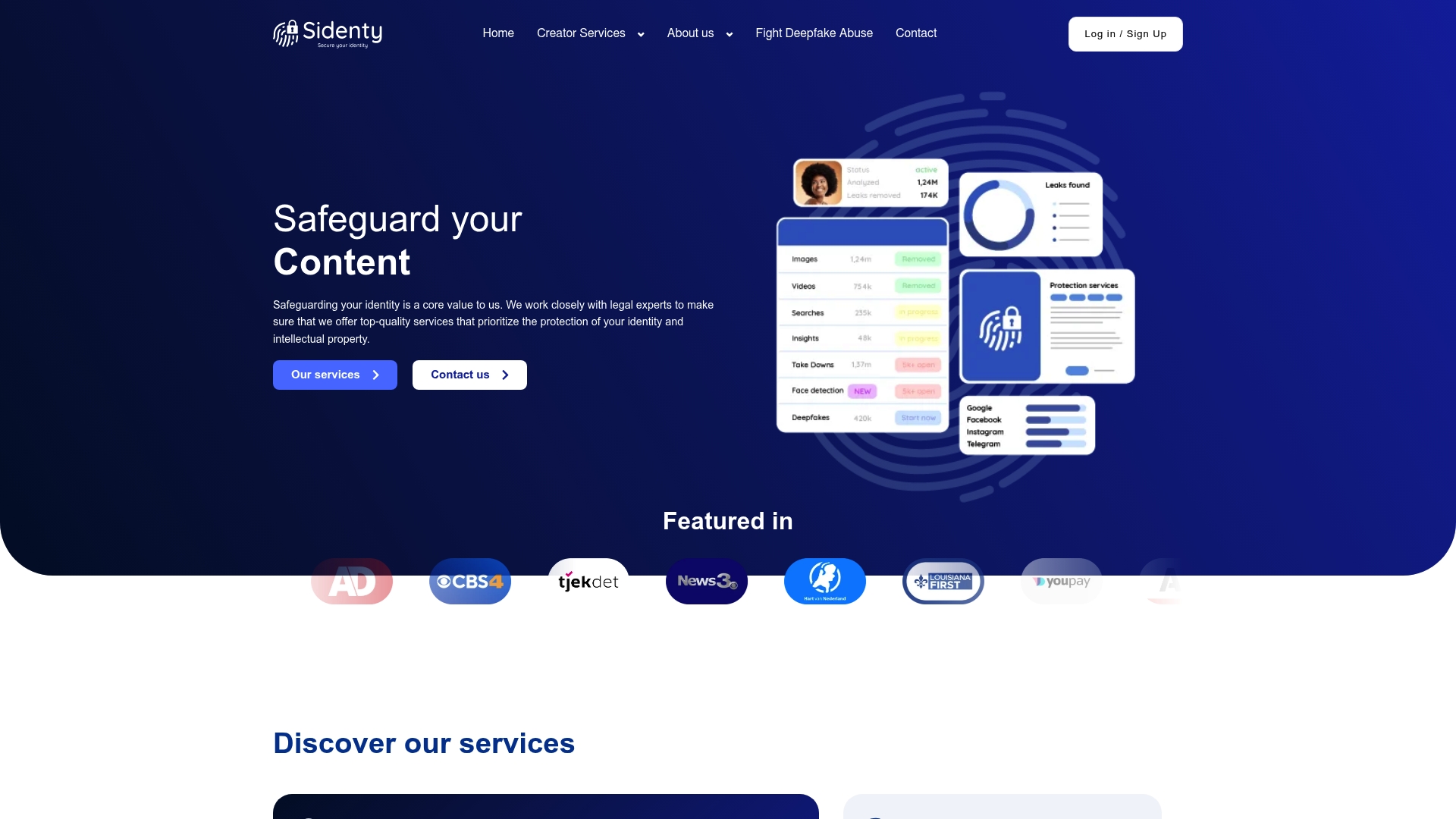
Sidenty specializes in DMCA takedown services and deepfake removal for creators on platforms including OnlyFans, Twitch, and Telegram. With a 99.8% success rate in content removal, Sidenty combines legal expertise with technology to act quickly and thoroughly. The team handles everything from filing notices to monitoring for reposting, so you are not managing this alone. If your content has been leaked or your identity has been misused, Sidenty’s protection services are built specifically for your situation.
FAQ
What is the content protection legal process?
The content protection legal process is the structured set of legal steps creators use to register, monitor, and enforce their intellectual property rights over digital works. It includes copyright registration, DMCA takedown notices, and legal action against infringers.
Do I need to register my copyright to be protected?
Automatic copyright exists from the moment you create and fix your work, but registration with the U.S. Copyright Office is required to sue for infringement in federal court and to access statutory damages up to $150,000 per willful violation.
How does a DMCA takedown notice work?
A DMCA takedown notice is a formal legal request that requires a platform to remove content that infringes your copyright. Platforms must respond promptly to properly filed notices or risk losing their legal safe harbor protection.
Can deepfake content be removed legally?
Yes. Deepfake removal combines DMCA notices, platform complaints, and in serious cases, court injunctions. Specialized services like Sidenty’s deepfake removal service use both legal and technical methods to achieve removal.
What is the biggest mistake creators make with copyright?
The biggest mistake is not registering their work before infringement occurs. Without registration, creators lose access to statutory damages and attorney’s fees, making enforcement financially impractical in most cases.